
pH is a fundamental scientific concept that plays a vital role across multiple disciplines, including chemistry, biology, environmental science, and healthcare. It is a universal measurement used to determine whether a solution is acidic, neutral, or alkaline based on the concentration of hydrogen ions it contains.
In this guide, we explore what pH is, why it is important, and how it is applied in laboratory and real-world settings.
What Is pH and Why Is It Important?
Understanding what pH is and why it matters is essential for accurate scientific experimentation and everyday applications. pH measures the concentration of hydrogen ions (H⁺) in a solution, indicating its acidity or alkalinity.
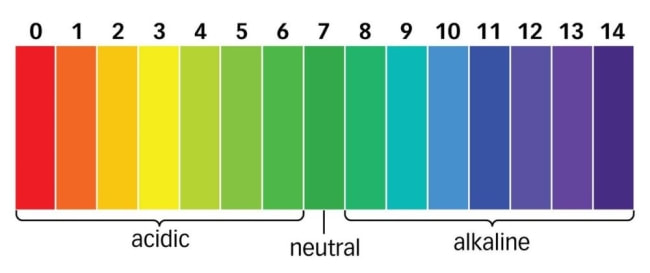
The pH scale ranges from 0 to 14:
-
pH < 7 → Acidic
-
pH = 7 → Neutral
-
pH > 7 → Alkaline (basic)
pH levels are critical for the survival and proper functioning of living organisms. For example, the human body tightly regulates blood pH between 7.35 and 7.45—even slight deviations outside this range can be life-threatening.
Beyond biology, pH affects many aspects of daily life:
-
Food production relies on precise pH levels to ensure safety, flavour, and shelf life
-
Agriculture depends on soil pH for optimal plant growth
-
Water treatment facilities must maintain wastewater pH levels—typically between 5 and 9 to meet environmental regulations
In short, pH is deeply interconnected with health, industry, and the environment.
What Is the pH Equation?
The pH equation provides a mathematical way to describe a solution’s acidity or basicity and is widely used in scientific research and industrial applications.
The pH Formula:
pH = −log₁₀[H⁺]
Where:
-
[H⁺] = concentration of hydrogen ions in the solution
-
log₁₀ = base-10 logarithm
-
pH = measure of acidity or alkalinity
This equation allows scientists to express very large or very small hydrogen ion concentrations in a manageable numerical format.
What Is the Use of the pH Equation?
The pH equation is more than just a formula—it is a powerful scientific tool used across education, industry, healthcare, and environmental management.
1. Quantitative Measurement of Acidity and Alkalinity
Instead of describing a solution vaguely as “acidic” or “basic,” pH provides a precise numerical value that defines its strength. This is especially important in laboratory and educational settings.
2. Logarithmic Scale Advantage
Because pH is logarithmic, each whole pH unit represents a tenfold change in hydrogen ion concentration. This allows a wide range of acidity levels to be represented on a compact 0–14 scale, making comparisons easier and more intuitive.
3. Standardised Global Measurement
pH is a universally recognised scientific standard, ensuring consistency and accuracy across laboratories and industries worldwide.
4. Predicting Chemical Reactions
Hydrogen ion concentration directly affects reaction speed, direction, and outcome. Knowing the pH helps scientists predict chemical behaviour in synthesis, environmental studies, and industrial processes.
5. Biological and Medical Significance
Many biological processes are pH-dependent. Enzymes, for example, function optimally only within specific pH ranges. Accurate pH measurement ensures proper conditions for research, diagnostics, and medical treatments.
Applications of pH in the Laboratory
Accurate pH measurement is essential in laboratory environments, as it directly influences experimental reliability, sample integrity, and research outcomes. From chemical analysis to biological research, pH control forms the foundation of countless laboratory procedures.
Key Laboratory Applications of pH
Sample Preservation and Storage
Many biological and chemical samples require a stable pH to prevent degradation. Proper pH control extends the lifespan of tissue samples, blood products, and microbial cultures through the use of buffering solutions.
Enzyme and Protein Research
Proteins and enzymes are extremely sensitive to pH changes. Even slight fluctuations can alter their structure and functionality. Maintaining precise pH levels is crucial for studying enzyme kinetics and protein interactions accurately.
Chemical Synthesis
pH can determine reaction pathways, product formation, and yield efficiency. Controlled acidic or alkaline conditions help optimise chemical synthesis and ensure product purity.
Cell Culture and Microbiology
The pH of growth media significantly affects cell health, reproduction, and metabolism. An unsuitable pH can inhibit growth or cause cell death, making pH monitoring essential in microbiological and cell culture studies.
Titration and Analytical Chemistry
Titration experiments rely on precise pH measurement to determine unknown concentrations of acids or bases. pH indicators and meters are fundamental tools in analytical chemistry.


